Clarity first: the conversations construction still skips
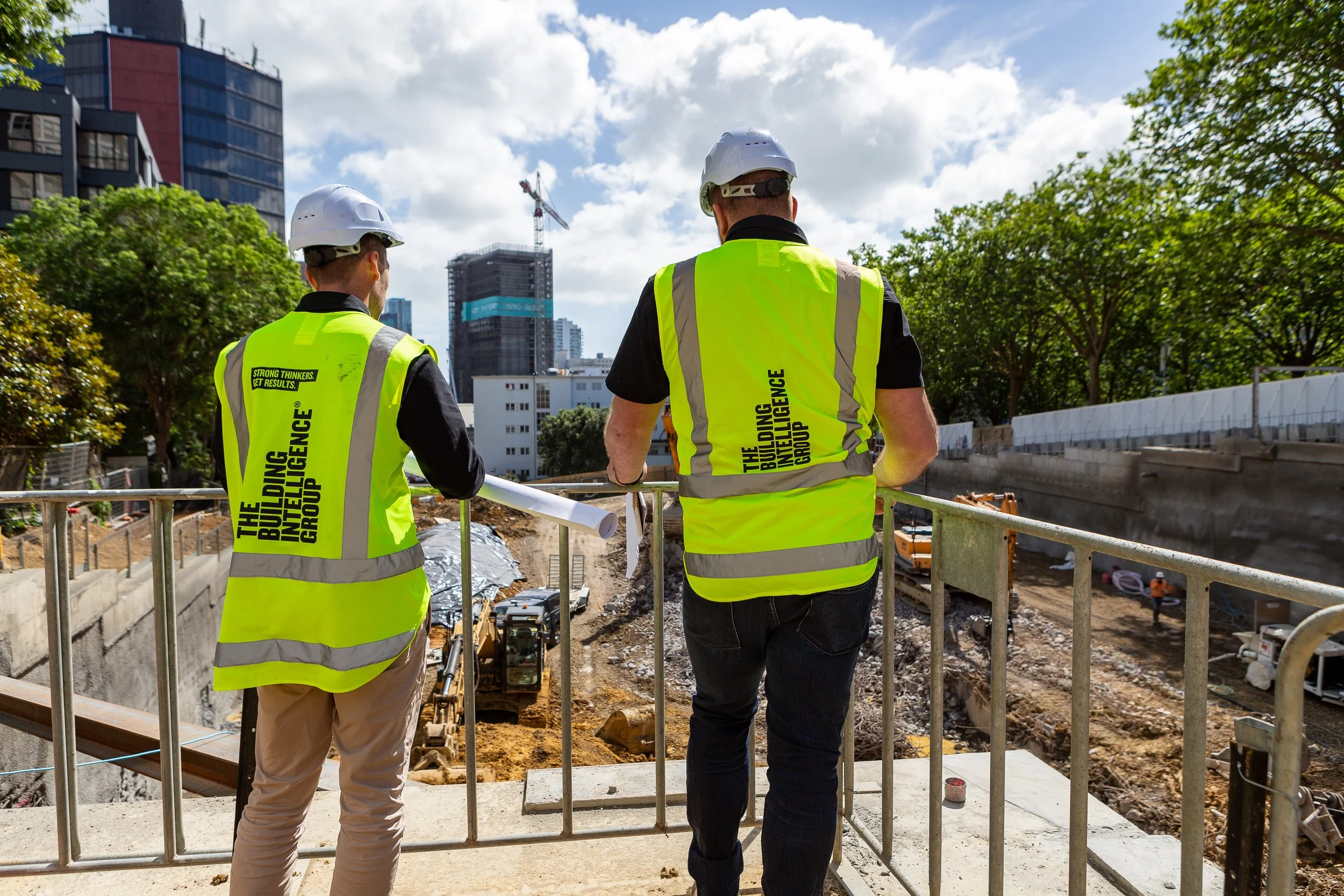
Many challenges in construction don’t emerge on site — they start much earlier.
Projects struggle when expectations are unclear, roles are blurred, and assumptions take the place of real conversations. Ambiguity creeps in quietly and shows up later as frustration, rework, cost pressure, or dispute.
We can’t remove complexity from construction, but we can remove confusion. And that’s where disciplined planning and early clarity make the difference.
Partnership starts earlier than we think
Partnership is usually framed as something that begins once the contract is signed and everyone’s formally committed. True partnership starts long before that point. When the people around the table take time to talk through expectations, define responsibilities, and surface assumptions that could later become risk.
More than an essential soft skill, clear communication is a risk management tool. It’s the simplest and most effective way to keep small misunderstandings from turning into large contractual issues months down the track.
I was recently walking with an industry peer, a design specialist. We returned to a familiar topic: scope clarity during the design phase. Specifically, the roles of project managers, design managers, architects, and lead consultants. Every time this conversation comes up, the conclusion is the same: this is one of the most common sources of downstream issues, and one of the easiest to avoid.
Role clarity matters more than people realise
A Project Manager is not automatically a Design Manager.
A Project Manager runs the design process, keeps information moving, tracks cost and programme, makes sure decisions are recorded and understood. What we don’t do is coordinate every detail, penetration, or discipline interface.
Architects face the same misconception. They’re often referred to as lead consultants, yet their engagement doesn’t always extend to full coordination across all disciplines. Their focus is usually spatial design, compliance, and producing what’s needed for consents.
These gaps sound small at the start. Later they become scope creep, rework, or conflict. Most of it is avoidable.
Good Design Management changes the trajectory of a project
This is where a strong Design Manager adds real value.
They focus on coordination, identifying scope gaps, resolving interfaces, and ensuring documentation is complete and aligned before it reaches site. In Design & Build or Early Contractor Involvement (ECI) environments, contractors with in‑house design management capability often deliver clearer documentation and better buildability.
This work isn’t glamorous, but it prevents variation-heavy tendering, conflicting details on site, and finger‑pointing during construction. When the design is coordinated before it reaches the contractor, everybody benefits. Cost certainty improves. Delivery risk shrinks. Site teams stay focused on building, not deciphering.
But even before procurement models come into play, the principle is simple. Someone needs to intentionally manage the design. Everyone else needs to know who that person is.
These conversations need to happen earlier
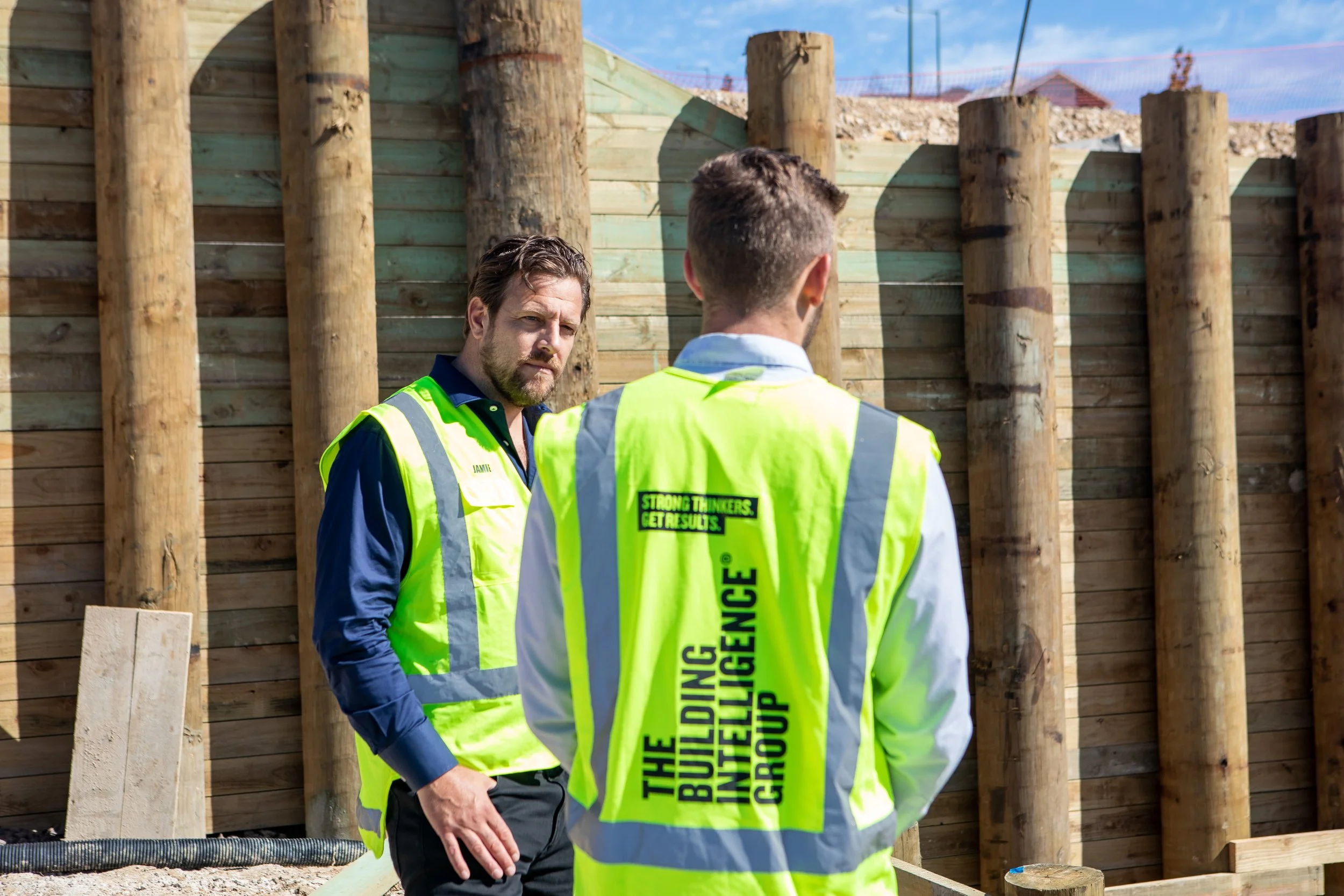
Imagine if, at the moment the consultant team is engaged, everyone spent twenty minutes outlining three basic things:
What they have been engaged to do
What they have not been engaged to do
Where they see interfaces or potential gaps
A short conversation like that removes months of uncertainty later.
Too often, people fill the silence with assumptions. Consultants assume the Project Manager will cover the gaps. Project Managers assume the architect is coordinating everything. Principals assume the contract will sort it out. None of those assumptions hold up under pressure.
Projects do the hard work early, then stop short
Many project teams start strong. They create a clear Project Charter. They write thorough Principal’s Requirements. They select the right procurement model. They appoint a capable consultant team.
And then, at the crucial moment, everyone rushes the final alignment.
Construction contracts often include pages of special conditions. They also include responsibilities for the Principal, Contractor, and Engineer to the Contract that are interpreted differently depending on the reader. The best time to align on those interpretations is before the contract is signed, not weeks into construction when positions have already hardened.
A simple page‑turn meeting saves a huge amount of trouble. No renegotiation. No shifting of risk. Just clarity.
The same approach helps with drawings, specifications, programmes, provisional sums, and prime cost items. These documents shape risk. They deserve time and shared understanding.
Final thoughts: Keep close to move forward
There’s a whakataukī that captures this idea well: Waiho i te toipoto, kaua i te toiroa. Let us keep close together, not far apart.
In construction, staying close isn’t just physical proximity, it’s relationships too. Maintaining dialogue. Staying aligned. Testing assumptions. Challenging grey areas early. When teams drift, ambiguity grows, and the project feels it.
The construction industry isn’t broken. But it does need more deliberate communication, clearer roles, and earlier alignment.
How can I help?
A good Project Manager doesn’t just organise tasks and ensure everyone plays nice. We close scope gaps. We clarify roles. We capture decisions. We remove ambiguity before it becomes change.
You don’t get clarity by accident. It’s created. And we can help.
Jamie Summers
Project Director / Auckland
Jamie Summers is a Project Director with The Building Intelligence Group in Auckland. You can get in touch with Jamie at j.summers@tbig.co.nz and find him on LinkedIn here.
